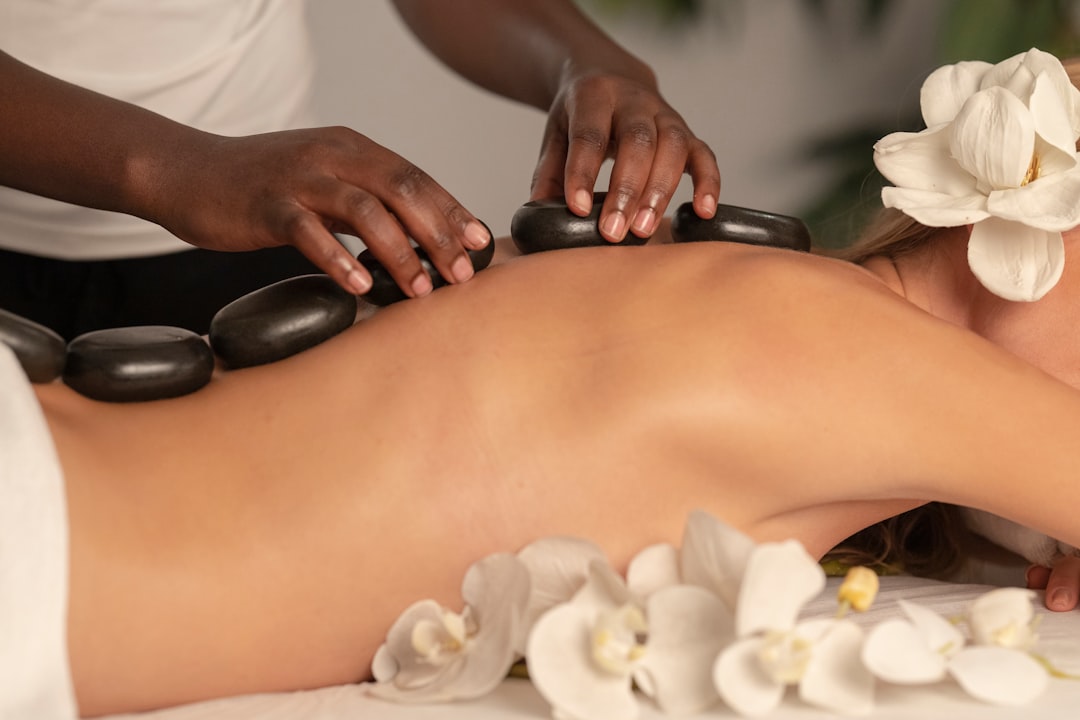
Cultural competence is vital for massage therapists in Tampa to avoid massage abuse, a growing concern with severe consequences. Therapists must respect diverse cultural backgrounds, beliefs, and comfort levels with touch to build trust and protect clients. Mandatory training, strict regulations, and legal support from massage abuse lawyers Florida are key to fostering ethical practice, client satisfaction, and safety. Staying informed about legal considerations ensures therapists deliver high-quality care while minimizing risks.
In the diverse city of Tampa, Florida, cultural competence is an indispensable aspect of providing quality healthcare, especially within the massage therapy industry. As a rapidly growing field, Tampa’s massage therapy practices must address the needs of a wide range of clients from various ethnic and cultural backgrounds. Unfortunately, a lack of cultural awareness can lead to misunderstandings, miscommunication, and even massage abuse. This article delves into the profound impact of cultural competence on massage therapy practices in Tampa, exploring strategies to enhance patient care, prevent mistreatment, and foster trust among diverse communities. By understanding cultural nuances, massage therapists can ensure ethical practices and create a safe haven for all clients, backed by the expertise of massage abuse lawyers Florida when necessary.
Understanding Cultural Competence in Massage Therapy

Cultural competence is a cornerstone for massage therapists practicing in Tampa or any diverse community. It involves understanding and appreciating the cultural backgrounds, beliefs, and practices of clients, and adapting one’s therapeutic approach accordingly. This is particularly crucial given the intimate nature of massage therapy, where physical touch and personal boundaries are central. A therapist who lacks cultural sensitivity may inadvertently cause offense, create discomfort, or even perpetuate massage abuse, as has been documented by several cases involving Florida massage clients.
For instance, a therapist unfamiliar with a client’s religious or spiritual practices might use techniques considered disrespectful or offensive. Similarly, different cultures have varying levels of comfort with touch and personal space, requiring therapists to adjust their approach based on individual preferences. For example, some Asian cultures may prefer gentle, light touches, while others might be more accustomed to firm pressure. Moreover, cultural competence involves recognizing and respecting diverse health beliefs and practices, such as traditional healing methods or herbal remedies, which can interact with modern medical treatments.
Massage therapists in Tampa can enhance their cultural competence through ongoing education, training, and self-reflection. This includes learning about different cultures, seeking input from clients (when possible), and staying informed about issues related to massage abuse and ethical practices. Engaging in cross-cultural interactions or participating in diversity training programs can also help therapists develop a deeper understanding of diverse client needs. By embracing cultural competence, massage therapists not only improve client satisfaction and build stronger relationships but also ensure their practice remains ethical and respectful, protecting themselves from potential legal issues that may arise from massage abuse claims.
The Prevalence and Impact of Massage Abuse in Tampa
In Tampa, as in many urban centers across Florida, cultural competence among massage therapists plays a pivotal role in shaping client experiences and outcomes. A significant challenge within this realm is the prevalence of massage abuse, a growing concern that demands meticulous attention. Massage abuse, encompassing unethical practices and professional misconduct, can have severe psychological and physical repercussions for clients. Studies indicate an increasing number of cases where individuals have suffered harm due to inappropriate touch, excessive fees, or false advertising by massage therapists. This trend highlights the critical need for enhanced regulation and education in the industry.
The impact of massage abuse is profound, leading to a loss of trust among clients and damaging the reputation of legitimate massage therapy practices. Many victims report feeling exploited and traumatized, which can lead to long-term mental health issues. To combat this issue, experts advocate for ongoing training programs that focus on cultural sensitivity, ethical boundaries, and client rights. Such initiatives should be mandatory for all massage therapists practicing in Tampa to ensure they understand the diverse needs of their clientele. For instance, therapists must be equipped to handle interactions with clients from various cultural backgrounds, recognizing and respecting personal space and consent.
Addressing massage abuse requires a multi-faceted approach. Legal professionals specializing in massage therapy law, such as massage abuse lawyers in Florida, play a vital role in holding offenders accountable. These experts can guide victims through the legal process, ensuring justice and compensation for their suffering. Additionally, community education programs that raise awareness about abusive practices can empower individuals to make informed choices when seeking massage services. By combining stringent regulations, professional development, and legal support, Tampa can foster a culture of ethical and competent massage therapy practices.
Legal Considerations and Role of a Massage Abuse Lawyer Florida
The practice of massage therapy in Tampa, Florida, is governed by stringent legal frameworks designed to protect clients from potential harm and ensure ethical conduct among practitioners. As the industry evolves to meet diverse cultural needs, understanding the legal considerations is more critical than ever. Cultural competence necessitates an awareness of not just different therapeutic approaches but also the varied ways individuals may perceive and report inappropriate behavior, including massage abuse. Florida’s laws regarding consent, professional conduct, and reporting requirements play a pivotal role in shaping the therapy environment.
Massage therapists must be well-versed in obtaining informed consent from clients, ensuring they understand the scope of treatment and potential risks. This becomes especially pertinent when addressing cultural differences in communication styles and health beliefs. For instance, some cultures may have specific taboos around physical touch or different expectations regarding privacy during treatments. A massage abuse lawyer Florida highlights that failure to obtain valid consent can lead to legal repercussions, emphasizing the need for therapists to establish clear boundaries from the outset. Furthermore, state regulations mandate reporting of any suspected abuse or neglect, with strict timeframes for compliance, ensuring timely intervention and potential legal protections for clients.
Given the sensitive nature of massage therapy, practitioners must be vigilant in fostering a safe, respectful environment. Engaging the services of a massage abuse lawyer Florida can provide valuable guidance on navigating complex legal issues related to professional misconduct. These attorneys specialize in advocating for victims and ensuring justice. They play a crucial role in educating both therapists and clients about their rights and responsibilities, ultimately contributing to a more robust cultural competence within the therapy community. By staying informed about legal landscapes, massage therapists in Tampa can deliver high-quality care while minimizing potential risks associated with malpractice and abuse allegations.